Design-Build for Municipalities: A Smarter Way to Plan Public Construction Projects
Public construction projects carry high stakes. Between fixed budgets, strict procurement laws, and the watchful eyes of elected officials and community members, the way you structure your project from day one determines its ultimate success.
Many municipalities still rely on the traditional Design-Bid-Build process. In this model, architects finalize plans before a contractor ever sees them. While this method is traditional, it often separates the designers from the builders, creating silos that lead to misunderstandings, budget overruns, and scheduling delays.
Design-Build is changing that narrative. By bringing construction expertise into the planning room from the start, municipalities can create more efficient, cost-effective, and transparent projects.
What Is Design-Build?
In a traditional model, design and construction are siloed. A municipality selects an architect, develops plans, and bids the project. By the time a contractor joins, the project team has often already locked in major design and budget decisions. This can lead to costly surprises if the design is impractical or exceeds budget projections.
Design-Build consolidates this entire process. Architects, engineers, contractors, and suppliers form a single, coordinated team. This allows for real-time feedback on constructability, site conditions, and material availability while the design is still fluid, not after it has been finalized. It shifts the project dynamic from adversarial or segmented to collaborative and transparent.
Instead of managing the architect and contractor separately, the municipality engages with one team who is responsible for the project from the initial concept through final delivery.
“Design-Build is Clouse’s specialty. We like the team-oriented approach, full of feedback from many groups involved with tons of construction experience. All groups, including Clouse, the architectural firm, engineers, site and MEP contractors, and suppliers, give feedback from their respective viewpoints on what they would suggest for the customer’s best project result,” said Brian Clouse, Vice President of Clouse Construction.
Why Early Contractor Involvement Matters
When teams bring in construction expertise late, issues like budget overruns or supply chain delays often don’t surface until expensive revisions become unavoidable.
Involving a contractor early allows your team to evaluate critical factors during the planning phase, including:
- Budget Alignment: Ensuring the design matches the available funding before it is fully priced. This prevents the need for value engineering later, which often means cutting features to save costs.
- Constructability and Material Lead Times: Identifying design features that might be unnecessarily expensive or difficult to build, and selecting materials that are actually available. This prevents the redesign cycle that often happens when contractors identify problems after drawings are complete.
- Site Conditions: Proactively addressing potential physical challenges, like soil issues or utility placement, before they become project delays.
- Simplified Communication: Instead of managing multiple disparate conversations, the municipality works with one team that shares information across the board. This transparency keeps stakeholders informed and reduces meeting fatigue.
A Proven Approach to Public Transparency
Municipalities are uniquely accountable to their constituents. Every dollar spent must be justified, and every timeline must be respected. Design-Build is uniquely suited to this environment because it emphasizes transparency.
Because the Design-Build team joins the project during the conceptual phase, they estimate costs more accurately. By the time they finalize the design, the team has already vetted costs and constructability to create a more predictable budget. This predictability is a vital tool for public officials who need to explain project costs to town councils, taxpayers, and grant agencies.
Addressing Common Misconceptions
Design-Build is a proven model, but it is normal for public entities to have questions about control and oversight. Below are the most common questions we hear regarding this delivery method:
Do we lose control?
No. The municipality remains in the driver’s seat regarding goals, priorities, and requirements. Design-Build simply gives you a more comprehensive set of data from both design and construction professionals before you make final decisions. You define the needs and the aesthetic; we provide the expertise to execute them efficiently.
Are architects and engineers still involved?
Absolutely. Design professionals remain the heart of the project. The difference is that they can now design with greater awareness of construction costs and site realities. A collaboration between architect and builder leads to a better finished product because the design is grounded in buildable, cost-effective solutions.
How does this save time?
By identifying potential problems sooner and coordinating phases effectively, you significantly reduce the risk of major mid-construction revisions or shutdowns. Design-Build allows for fast-tracking, where construction can begin on specific phases while others are still being finalized. This can shave months off a typical project schedule.
Is it more expensive?
Not at all. Because Design-Build eliminates the redundancy of re-bidding and reduces the frequency of change orders caused by design errors, most municipalities find that the final total project cost is more predictable and often lower than traditional delivery methods.
How is quality maintained?
Quality is built into the process through constant collaboration. When the architect, engineer, and the builder are on the same team, there is no cutting corners to save budget. Instead, the focus is on selecting the right materials and systems that meet the municipality’s long-term performance needs.
What if I have a specific project vision?
Design-Build is highly flexible. Whether you are planning a municipal facility, a fire station, a public works warehouse, or an administrative office, we tailor the process to your unique requirements. We work with your vision to ensure it translates into a functional, durable facility.
Municipal Design-Build in Action: City of Findlay STRICT Training Center
Municipal Design-Build in Action: City of Findlay STRICT Training Center
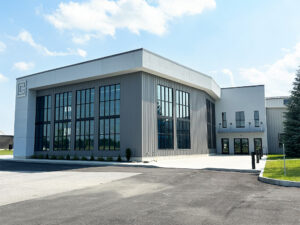
The City of Findlay’s STRICT (Simulated Tactical Response & Incident Command Training) Center is a strong example of how the Design-Build process can work for a public entity.
The City envisioned a dedicated training facility where fire, EMS, and law enforcement personnel could prepare for real-world emergency situations. After a thorough interview and selection process, the City chose Clouse Construction to bring that vision to life.
From the early stages of the project, Clouse worked closely with City representatives to keep them informed and involved. The team provided guidance on design ideas, building codes, energy efficiency, preliminary and final pricing, scheduling, and other decisions that would ultimately affect the facility.
That ongoing communication allowed the City to understand how design choices connected to construction costs and long-term functionality while the project was still taking shape. Architects, engineers, contractors, suppliers, and City representatives were able to contribute their expertise throughout the process instead of working through major decisions independently.
The completed STRICT Center now provides a dedicated facility for fire, EMS, and law enforcement training, including opportunities for multiple public safety agencies to train together in realistic scenarios. For the City of Findlay, the collaborative process resulted in a facility designed around both the community’s public safety needs and the practical requirements of those who will use it.
Your Partner in Public Construction
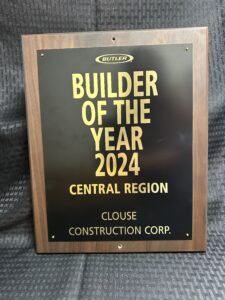
At Clouse Construction, we understand that municipal projects are about more than just concrete and steel. They are about providing the community with the facilities needed to thrive. Every job benefits from our decades of experience, Butler Manufacturing regional expertise, and a top-rated commitment to safety.
We bridge the gap between concept and completion, ensuring that we realize your vision on time and within budget. We understand the complexities of public funding and site development, and we are ready to guide your team through the process.
Is Design-Build Right for Your Next Project?
Every municipal project has unique requirements. Before committing to a path, it is worth determining whether Design-Build aligns with your specific goals. If you are considering a new facility, renovation, or administrative space, early contractor involvement can provide the insight needed to move forward with confidence.
Planning a municipal project? Contact Clouse Construction to discuss whether Design-Build is the right approach for your next facility. We would be happy to walk through the process and help you determine if this model fits your goals.